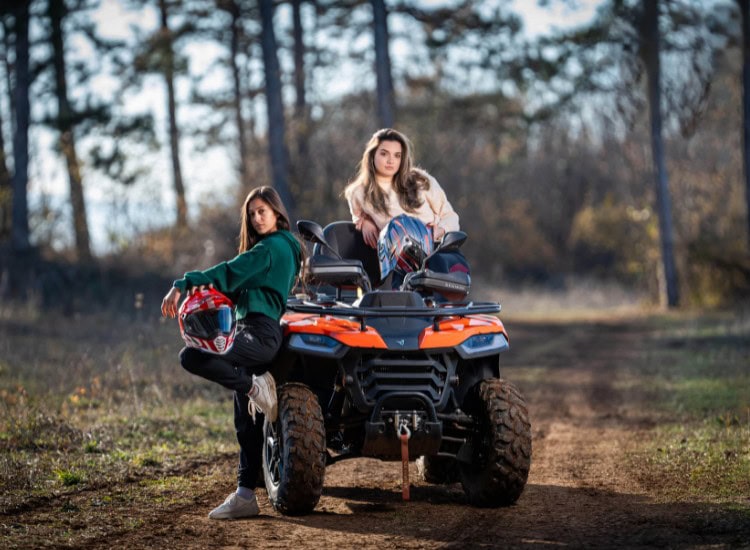
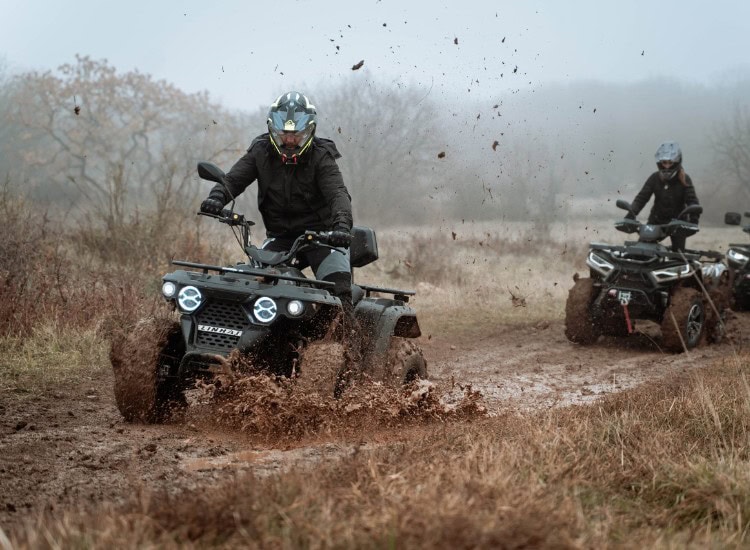
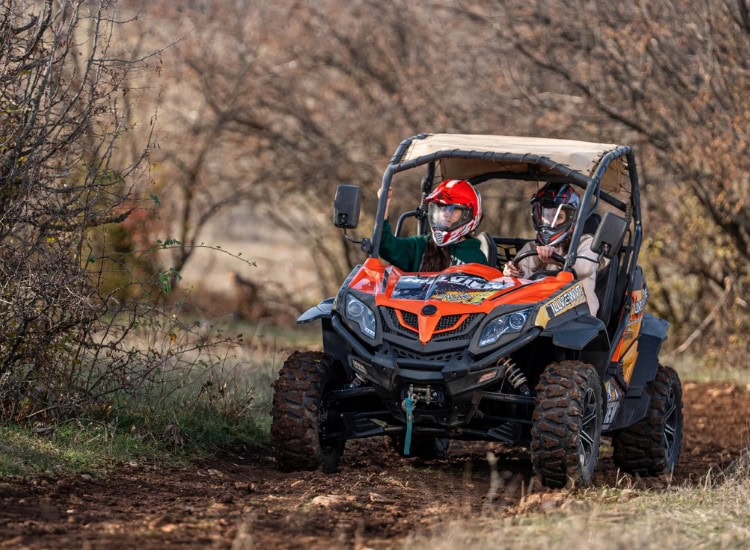
Off-road driving isn't just fun - it's an art. It requires special skills, technique and preparation. Whether you're a novice or already experienced, there's always room for improvement. Off-road terrain can be unpredictable, with different challenges such as mud, rocks, sand and steep slopes. Improving your skills will not only make your adventures more fun, but will also increase your safety in harsh conditions. In this article, we'll look at how to train and develop your off-road driving skills.
Off-roading involves different types of terrain - mud, sand, rock, snow and water. Each terrain requires different driving techniques.
Off-road driving involves not only driving in a straight line, but overcoming various technical challenges. Training in these areas will help you feel more confident on the terrain.
Off-roading often requires slow and controlled movement. Practice how to maintain a steady, low speed that allows you to adapt to obstacles on the road.
One of the most important skills for any off-road enthusiast is the ability to "read" the terrain. This includes anticipating obstacles and recognizing the best route.
If you want to improve your skills faster and with professional help, there are many off-road courses and events organised for off-road enthusiasts.
Improving off-road driving skills is a process that takes time, practice and proper preparation. Start by familiarizing yourself with the vehicle and basic driving techniques on different terrains. Gradually increase the complexity of the terrain you practice on and don't be afraid to learn new skills. From the technical aspects of off-roading to being able to read the terrain and communicate effectively with your team. With the right training, you'll be able to enjoy your off-road adventures with confidence and safety.
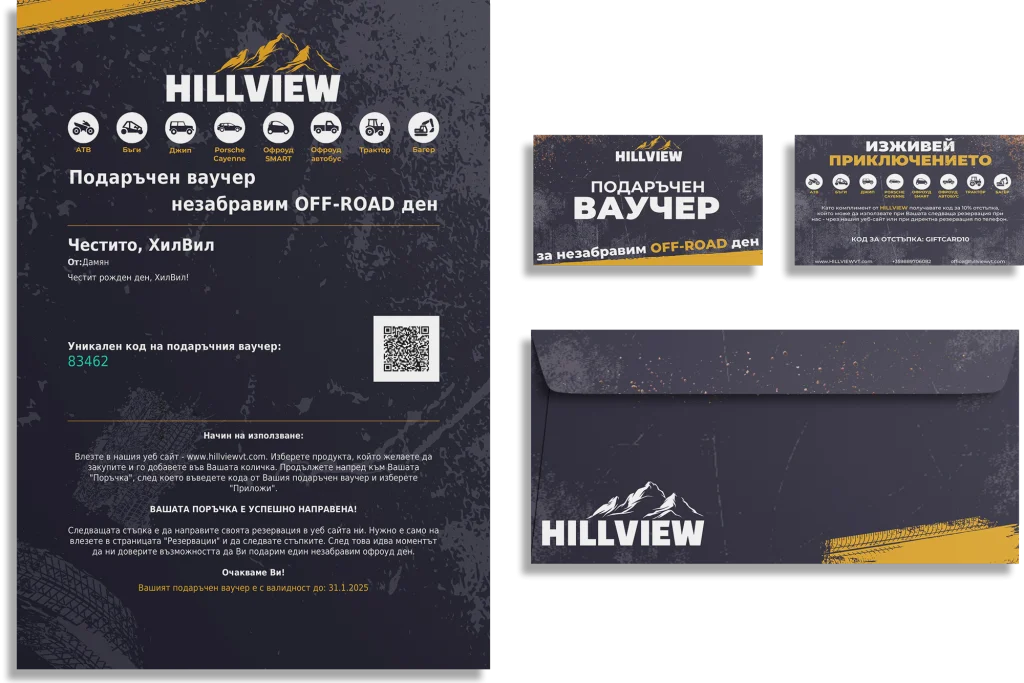
The physical voucher is a luxury gift card, packaged in a luxury envelope, along with the gift voucher's digital certificate. The price of the physical voucher is 19BGN, including Free delivery and you can add it with one click in the window that will open after clicking the gift button of the selected configuration.
Make your gift unforgettable by adding the extra service "Luxury physical voucher" for only 19lv. and free shipping
See "Terms and Conditions" here